EV Charger Repair in Preston, WA
Preston sits along the Preston-Fall City corridor southeast of Issaquah, where rural acreage, established family homes, and wooded properties define the character. EV Charger Repairs here require electricians who understand long conduit runs, older panels, overhead power, and the specific needs of semi-rural residential properties.
Dedicated EV Charging Expertise for Preston Properties
Preston is a small unincorporated community in King County, located along Preston-Fall City Road SE between I-90 and the Snoqualmie Valley. The community dates back to the logging era of the late 1800s, and today features a mix of original homesteads, mid-century family properties, and newer custom homes on wooded parcels ranging from standard residential lots to multi-acre properties.
The electrical infrastructure in Preston ranges widely. Some properties have modern 200-amp underground service, while others rely on older 100-amp or 150-amp panels fed by overhead PSE lines strung along the rural roads. Well water, septic systems, and electric heating are common, adding to the existing electrical load that must be considered before repairing an EV charger.
Issaquah EV Charger Repair extends our full service coverage to Preston. Our technicians are experienced with the specific electrical challenges of rural and semi-rural properties—challenges that suburban-focused electricians rarely encounter. From panel upgrades to underground feeder runs to detached garage subpanels, we engineer every Preston repair for the conditions on the ground.
Preston Property & Infrastructure
- Construction Eras: 1930s through 2020s, wide vintage range with custom construction.
- Property Types: Rural homes, acreage properties, hobby farms, and custom estates.
- Typical Electrical Service: 100A to 200A, mix of overhead and underground PSE feeds.
- Common Repair Demands: Panel upgrades, long-distance circuits, detached building subpanels, and surge protection.
- Special Considerations: Unincorporated King County permitting (WA L&I), well pump loads, and varied terrain for trenching.
Preston Focused EVSE Services
While we offer all 14 services, these four address the most common challenges on Preston properties.
Preston Panel Upgrades
Upgrading older 100A and 150A panels in Preston homes to 200A load centers, providing capacity for EV charging alongside well pumps and heating systems.
Read Service Details →Level 2 Repairs for Preston Homes
Hardwired 240V charger repairs adapted for Preston properties with detached garages, varied lot sizes, and extended conduit distances.
Read Service Details →Rural Power Quality Diagnostics
Troubleshooting charger faults related to overhead PSE voltage fluctuations, storm-related surges, and grounding issues on Preston properties.
Read Service Details →Long-Distance Circuit Design
Dedicated EV circuits engineered for extended distances between panel and garage, with conductors sized to prevent voltage drop on Preston acreage.
Read Service Details →EV Charging on Preston's Rural Properties: Engineering Considerations
Preston homeowners who switch to electric vehicles face a practical question: how do I get reliable Level 2 charging on a property that was never designed for it? The answer requires engineering that accounts for the realities of rural electrical service—older panels, longer distances, overhead power quality, and coexisting loads like well pumps and electric heating.
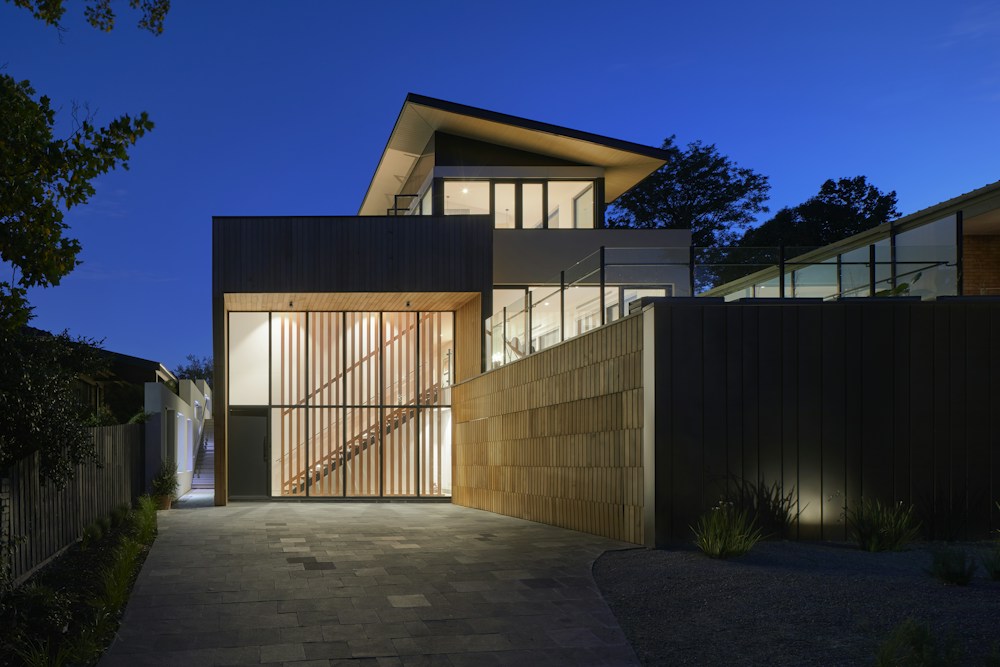
Our approach to every Preston repair begins with understanding the full picture. We do not arrive with a pre-determined plan. Instead, we assess the existing infrastructure on site and design a solution that matches the specific conditions of your property.
Panel Capacity: The First Checkpoint
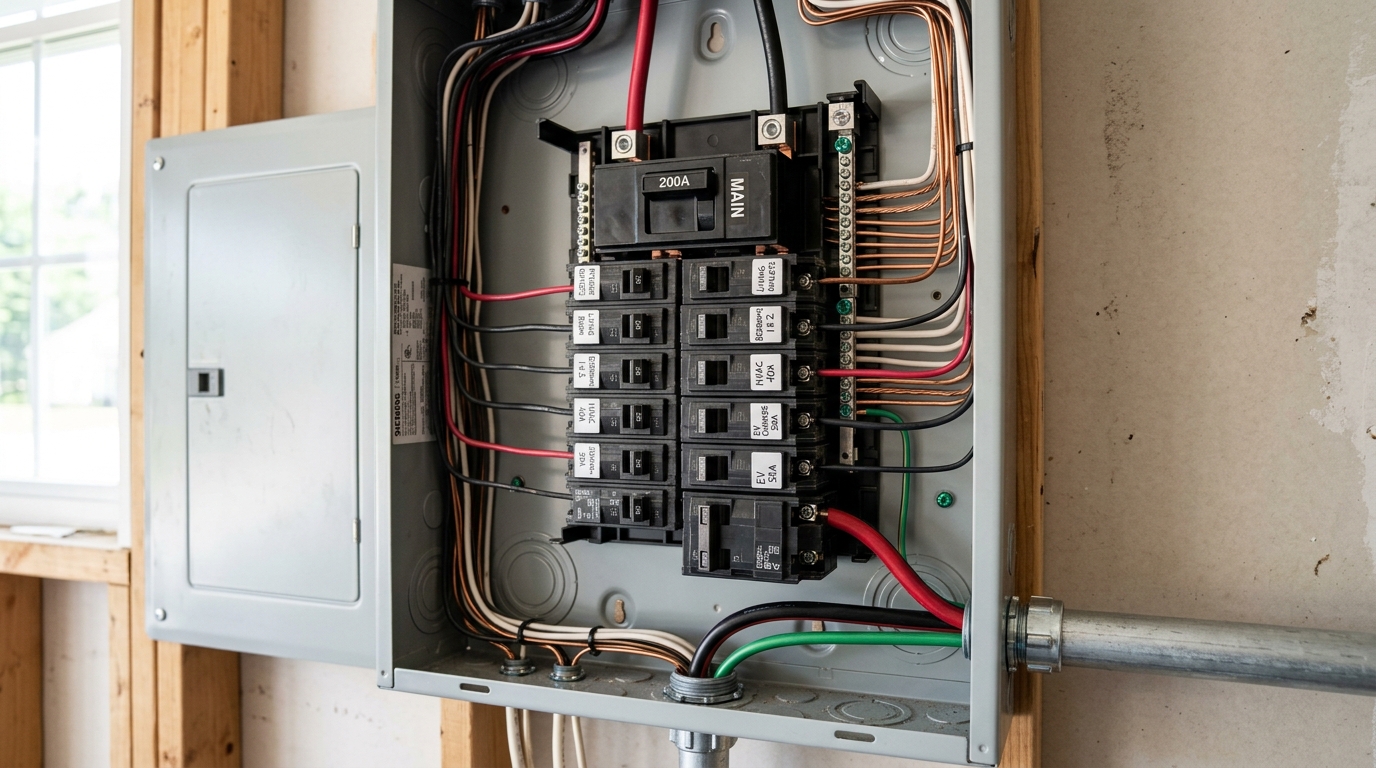
Before any charger can be installed, the electrical panel must have capacity to support a new high-amperage continuous circuit. In Preston, we encounter panels ranging from 1970s-era 100-amp units to modern 200-amp repairs. The first step in every project is opening the panel, identifying the manufacturer and model, counting existing circuit loads, and performing an NEC Article 220 demand calculation.
Preston homes with well pumps add a wrinkle to load calculations. A deep well pump can draw 10 to 20 amps during its run cycle, and pressure tank cycling means the pump activates multiple times per hour. This intermittent but significant load must be factored into the total demand calculation when determining whether existing panel capacity supports an EV charger addition.
If the calculation shows insufficient capacity, the options are a panel upgrade (replacing the entire service entrance with a 200-amp repair), a subpanel addition (adding breaker capacity without changing the main service), or a lower-amperage charger configuration (24A or 32A instead of 48A) that fits within existing margins.
Long-Distance Circuits: The Preston Reality
Property layouts in Preston frequently involve significant distances between the main panel and the vehicle parking location. The panel might be inside the house, 50 or 80 or even 100 feet from a detached garage, barn, or carport where the vehicle is parked. At these distances, standard wire gauges become inadequate.
Electrical resistance in copper wire causes voltage loss proportional to wire length and current flow. A 48-amp charger drawing current through 80 feet of 6 AWG copper will lose approximately 4.5% of its voltage—exceeding the 3% recommended maximum for branch circuits. The charger receives less voltage than it needs, resulting in reduced charging speed or undervoltage shutdowns.
We solve this by upsizing conductors based on actual measured distance. For 80-foot runs at 48 amps, we use 4 AWG copper. For runs exceeding 100 feet, 2 AWG copper keeps voltage drop within acceptable limits. The cost of larger wire is a one-time investment that prevents years of charging problems.
Underground Conduit in Rural Terrain
When circuits must cross between buildings, underground conduit is the preferred method. In Preston's rural terrain, trenching through rocky soil, tree root zones, and uneven ground is more complex than trenching through suburban lawns. We plan trench routes to avoid root systems of significant trees, septic drain fields, well heads, and irrigation lines.
All underground conduit uses schedule 40 PVC rated for direct burial at code-required depths (typically 18 to 24 inches depending on whether concrete is present). We install pull boxes at direction changes to facilitate future wire replacement or circuit additions. Conductors entering buildings through underground conduit are sealed with approved duct seal compound to prevent moisture migration.
Protecting Equipment from Overhead Power Events
Preston's overhead PSE distribution lines run along rural roads where they are exposed to falling trees and branches, ice loading, lightning strikes, and wildlife. These events generate voltage transients that travel through the service entrance into your home's electrical system. A single large transient can destroy the microprocessor board inside a modern EV charger.
We install Type 2 surge protective devices (SPDs) at the main panel on every Preston repair. These devices react in nanoseconds, diverting surge energy to ground before it reaches sensitive electronics. For properties with a history of power quality issues, we also offer whole-house SPDs with higher joule ratings and lower clamping voltages for maximum protection.
Detached Structure Subpanels and Grounding
Many Preston properties have detached garages, shops, barns, or carriage houses where vehicle charging is most convenient. Under NEC Article 225 and Article 250, detached structures with electrical service require a dedicated subpanel with its own grounding electrode system—typically a pair of driven ground rods at least 6 feet apart, connected by a continuous grounding electrode conductor.
The feeder from the main panel to the subpanel must include an equipment grounding conductor separate from the neutral. At the subpanel, the neutral and ground buses are kept separate (unlike at the main panel where they are bonded). These details are critical for proper ground fault detection and GFCI operation at the EV charger.
Comprehensive Preston Area Coverage
Our service vans reach all Preston properties from our Issaquah dispatch center:
- Primary Roads: Preston-Fall City Road SE, SE 87th Place, Preston Way SE, and the I-90 access points at Exit 22.
- Residential Areas: All residential streets, courts, and private roads within the Preston community and surrounding rural lots.
- Rural Properties: Acreage parcels, hobby farms, and wooded estates accessible from the Preston road network.
- Adjacent Areas: Properties at the transition between Preston, Fall City, and the Tiger Mountain/Mirrormont zones.
Why Preston Property Owners Choose Us
- Rural Electrical Expertise: We routinely work with the overhead power, long distances, well pumps, and older panels that define Preston's electrical reality.
- Voltage Drop Engineering: Every long-distance circuit is designed with properly sized conductors to deliver full voltage at the charger location.
- Detached Structure Experience: We install subpanels, underground feeders, and independent grounding systems for detached garages, barns, and shops.
- Multi-Jurisdiction Familiarity: We file permits through both City of Issaquah and WA L&I, depending on whether the property falls within city limits or unincorporated King County.
- Direct Communication: We explain what your property needs, what the options are, and what each option involves, then let you decide the best path forward.
Our Service Process for Preston Properties
- Detailed Phone Consultation: We gather property details including home vintage, panel type, building layout, distance from panel to parking area, well pump specifications, and vehicle model.
- On-Site Property Survey: Our electrician inspects the panel, measures distances, evaluates terrain for conduit routing, and calculates load capacity and voltage drop.
- Engineered repair: We build the circuit to the specific engineering requirements of your property—proper wire gauge, properly sized subpanels, surge protection, and NEC-compliant grounding.
- Full-Load Verification: We charge your vehicle under full load, measuring voltage at the charger to confirm the repair delivers designed performance.
Call (425) 380-0019 to discuss your Preston EV charger project. Whether your property has a modern garage attached to the house or a detached barn 100 feet from the panel, we engineer repairs that charge reliably for years to come.
Explore Nearby Issaquah Service Areas
In addition to Preston, our technicians serve all 15 Issaquah area neighborhoods.
Mirrormont
Established foothill community to the northwest of Preston along Issaquah foothills.
View Mirrormont Page →Tiger Mountain
Forested mountain residential area to the west of Preston.
View Tiger Mountain Page →Frequently Asked Questions
Clear answers regarding EV charging repair, circuit diagnostics, and local Issaquah electrical standards.
Do you serve Preston even though it's outside Issaquah city limits? ▾
Yes. Preston is within our regular service area and falls within the greater Issaquah coverage zone. Our technicians travel to Preston regularly via Preston-Fall City Road SE. Response times are typically 15 to 25 minutes from our Jasmine Place office.
Most Preston homes have older electrical panels. Is EV charging still possible? ▾
Yes, though many Preston homes require a panel upgrade to support a dedicated 40A or 60A EV circuit. We assess every property individually. Some 200-amp panels have sufficient existing capacity; older 100A or 150A panels generally need upgrading for safe, full-speed EV charging.
Can you run a circuit from my house to a detached garage 80 feet away? ▾
Yes. For 80-foot runs at 48 amps, we use 2 AWG or 4 AWG copper conductors to prevent voltage drop below acceptable levels. Underground conduit is run at code-required burial depth with appropriate fittings and a dedicated subpanel in the detached garage.
Is surge protection important for Preston homes? ▾
Critically important. Preston's overhead PSE power lines are exposed to tree falls, lightning, and wildlife. A Type 2 surge protective device at your panel protects your EV charger from damaging voltage spikes at a fraction of the cost of replacing the charger.
What permits are needed for EV Charger Repair in Preston? ▾
Since Preston is in unincorporated King County, electrical permits are typically processed through Washington State L&I rather than the City of Issaquah. Our licensed contractors handle all permit filing and inspection coordination regardless of jurisdiction.
Need EV Charger Service in Preston?
Speak with an electrical specialist experienced in rural property repairs and long-distance circuits.